Welcome to your essential guide for managing kitchen byproducts in our coastal city. A properly operating commercial kitchen is the lifeblood of your restaurant or food service business. This resource is meant to act as your all-in-one manual for keeping interceptors and traps in top condition.
Website about Grease Cleaning Pros in Santa Monica

More information about Grease Cleaning Pros in Studio City

Read more about Grease Cleaning Pros in West Hollywood
We believe consistent, professional maintenance is a critical investment. It helps protect your business’s long-term success, supports compliance, and keeps daily operations moving. Let’s look at why this matters so much for local establishments.
You will discover the full range of solutions available from your local experts. We’ll help you differentiate between types of containment systems and identify which one your kitchen uses. We want to give you the information you need to make smart decisions about your plumbing system and your reputation.
By the end, you’ll see why partnering with a dedicated local team is the smartest move for your kitchen’s health. Let’s begin building a proactive plan today.
Important Takeaways
- Professional maintenance is a vital investment for any food service business.
- Regular service prevents costly plumbing issues and potential shutdowns.
- Following local regulations helps prevent fines and interruptions to operations.
- Identifying your specific containment system is the first step in maintaining it correctly.
- A scheduled preventive plan is more cost-effective and efficient than emergency repairs.
- Identifying early red flags can help save substantial time and expense.
- A reliable local provider offers dependable service delivered on time.
Welcome To Grease Cleaning Pros: Your Trusted Santa Monica Solution
Succeeding in the local food service industry takes more than simply serving great food. It calls for a dependable local ally to handle system maintenance properly.
This is where our team steps in. Grease Cleaning Pros isn’t a far-off corporate chain. We are your local partner and dedicated neighbor in this active coastal food industry.
Our team specializes in keeping a diverse array of kitchens running smoothly and in compliance. Our services support a broad range of food service operations:
- Bustling oceanfront restaurants and cozy cafes
- Fast food operations and major hotel kitchens
- Educational cafeterias and campus food service facilities
- Industrial food plants and military installation food facilities
- Special event caterers throughout the area
Our deep familiarity with the local area is a major advantage. We know the city’s specific municipal regulations and environmental requirements. We aim to keep your business in good standing with health code requirements.
Our reliable, approachable team is here to help. Our experienced professionals use advanced equipment such as low-noise vacuum trucks. This makes efficient cleaning possible with very little disruption to your daily operations.
We believe in building long-term relationships. That’s why we offer flexible scheduling to work around your peak hours. Our full-service approach covers everything from pumping and cleaning to deodorizing and supplying proper documentation.
Hiring a local community-based provider helps ensure quicker response times. That applies to both routine maintenance and urgent problems. We are also committed to local sustainability through eco-friendly practices and responsible recycling.
Ready to see what a true local partner can do? Get in touch for a free, no-obligation quote tailored to your kitchen’s specific size and needs.
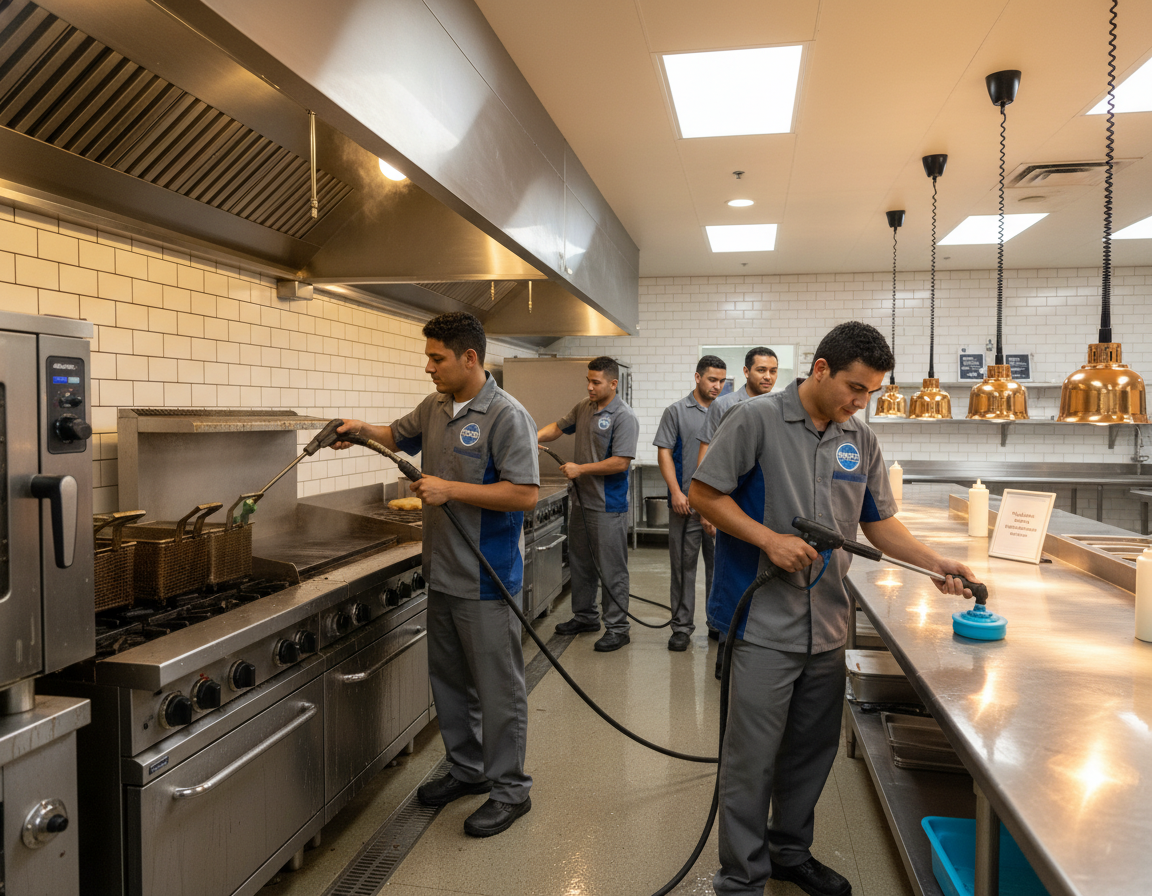
Why Professional Grease Trap Maintenance Is Critically Important
Overlooking your grease containment system is a gamble that no food service business should take. Professional maintenance is not an optional luxury. It is essential insurance for your business.
No matter how careful your team is, fats, oils, and grease still make their way into drains. Dishwater carries invisible dissolved fats. Cooking vapors can move particles that cool and condense in the plumbing. Spills and errors happen when the kitchen gets busy.
Avoiding Expensive Plumbing Disasters
As FOG builds up, it does not just stay contained in the trap. That buildup can solidify in the sewer lines. That leads to serious blockages and backups.
This type of plumbing emergency can close your kitchen for days. Fixing the damage usually requires expensive and extensive repairs. They can easily cost far more than regular preventive cleaning service.
Think of it the way you think about changing your car’s oil. Skipping it simply because you drive carefully does not stop engine wear. That choice simply delays a far more serious issue.
Preventing Health Inspector Fines And Foul Odors
A neglected trap can place you in violation of health codes. That can lead to heavy fines during inspections. Even sooner, an overloaded unit can release persistent foul odors.
These odors can permeate your dining area. That can push customers away while also making the workplace unpleasant. Safeguarding your reputation is critical.
Routine professional service removes the buildup that naturally occurs. This helps address the issue before it reaches a critical stage. Service data indicates these systems stop functioning properly once they reach roughly 25% capacity.
Efficiency drops sharply after that point. A proactive approach like this supports compliance with local regulations. It safeguards your plumbing and helps maintain a sanitary kitchen.
Routine scheduled upkeep is a modest investment for long-term peace of mind. This supports continued operation for your business.
Grease Cleaning Pros In Santa Monica: Our Comprehensive Service Portfolio
We provide a complete portfolio designed to handle every aspect of grease control. We deliver a full suite of solutions tailored to your establishment.
You can rely on one trusted provider for all your essential needs. That combined approach makes management easier and ensures consistent service quality.
Expert Grease Trap Cleaning And Pumping
Our detailed process does much more than basic skimming. Our team completely empties the contents of your unit.
Next, our professionals scrub the inner walls and baffles. That helps return the system to optimal, like-new performance.
This detailed work prevents foul odors and sewer blockages before they start. We use a reliable pumping process to remove accumulated FOG, solids, and wastewater quickly and efficiently.
We use advanced, professional equipment for every job. All collected waste is handled and disposed of according to strict environmental rules.
Grease Interceptor Solutions For High-Volume Kitchens
Larger establishments require specialized attention. Large restaurants, hotels, and food production sites typically use high-capacity interceptors.
Our specialists handle interceptor pumping and detailed cleaning for these large systems. That allows us to remove solid waste and hardened fats that can cause system failure.
This specialized service supports regulatory compliance. This can also greatly increase the operational lifespan of your equipment.
Environmentally Friendly Used Cooking Oil Recycling
Our service converts used fryer oil from a burden into something valuable. In many ways, it becomes your kitchen’s own “liquid gold”.
Our collection program makes sure this material is recycled responsibly. It can be turned into useful products such as biodiesel fuel, animal feed supplements, soaps, and cosmetics.
Turning this oil into biodiesel can reduce greenhouse gas emissions by up to 85% compared with petroleum diesel. That environmental impact is substantial.
Each gallon recycled helps prevent contamination of approximately one million gallons of water. It may also create a financial benefit through available rebate programs.
Our comprehensive approach means you have a single, trusted partner. Our team handles every grease-related need so your kitchen remains running smoothly while supporting sustainability.
Contact us for a quote on any combination of these essential services.
Grease Trap Vs. Grease Interceptor: Understanding The Difference
The first step toward effective grease management is understanding the equipment in your establishment.
Both a grease trap and a grease interceptor serve the same essential purpose, but they are intended for different operating volumes. Identifying the correct system is critical for proper maintenance and scheduling.
Understanding What A Grease Trap Is
You can think of a grease trap as a compact under-sink workhorse for smaller kitchens. These smaller units are installed directly into the drain line.
They typically hold between 20 to 50 gallons. They are commonly located beneath a sink or dishwashing station.
This kind of trap works best for lower-volume establishments. They are often used by coffee shops, small cafés, or individual prep stations within a larger commercial kitchen.
What Exactly Is A Grease Interceptor?
You can think of a grease interceptor as the heavy-duty underground system built for high-volume kitchens. These are substantially larger tanks installed outside or underground.
These systems often hold 500 to 5,000 gallons. An interceptor handles the collective waste from multiple drains and high-volume food preparation.
Busy restaurants, hotel kitchens, school cafeterias, and food manufacturing plants typically require this system. The exact size and type required are based on daily grease production and local regulations.
Both systems work on the same basic principle. They reduce wastewater speed, allowing fats, oils, and grease to cool, separate, and solidify.
That process helps stop these materials from reaching the public sewer line. If blockages develop there, they can cause major community-wide issues.
A clear understanding of your system allows us to customize both service intervals and methods. We ensure maximum efficiency and compliance with your unique needs.
Creating A Maintenance Schedule That Works For Your Kitchen
Customizing a service schedule to your needs is the foundation of effective grease control. A standard schedule rarely works for every kitchen.
The correct service frequency keeps your system working well without wasting time or money on extra visits. The goal is to find the perfect balance for your unique operations.
When Should Your Grease Trap Be Cleaned?
For many restaurants, professional cleaning is typically required every 30 to 90 days. While this is the standard range, the right schedule depends entirely on your grease production and activity level.
Think about these typical situations:
- High-Volume Kitchens: A busy spot pumping out fried foods daily will likely need monthly service. That schedule helps manage heavy grease production.
- Mid-Volume Establishments: Many full-service restaurants fall into a roughly 60-day grease trap pumping cycle.
- Smaller Cafes & Bakeries: A business with light grease output may do well on a quarterly schedule, or every 90 days.
Waiting too long between services is a recipe for disaster. Industry guidance points to a clear critical threshold.
Once a trap gets to around 25% capacity, its performance declines significantly. At that point, it can no longer function properly.
Key Factors Behind Cleaning Frequency: Volume And Regulations
The biggest factor in your maintenance needs is the amount of greasy wastewater your kitchen produces. More food preparation means more grease enters the lines.
Your menu, daily customer count, and size of your kitchen are all key factors. A busy steakhouse will generate more FOG than a sandwich shop.
Health regulations in your area also significantly affect the schedule. Those codes frequently require minimum cleaning intervals based on your business category and system size.
Keeping up with these rules is essential for compliance. This helps you avoid fines and keeps your operations moving without disruption.
Our team can evaluate your specific situation. Our recommendation is based on your menu, kitchen flow, and equipment setup.
That preventive schedule reduces the risk of emergencies. This integrates easily into your operation while helping ensure you are always ready for inspections.
Let us help you establish a routine that protects your plumbing and your peace of mind. Contact us for a personalized quote today.
Red Flags That Signal Your Grease Management System Needs Help Fast
Most failing grease management systems send clear warnings before a complete shutdown takes place. Recognizing these early distress signals can save your business from a catastrophic and costly closure.
Your system will usually provide clear warnings. Noticing these signals is essential for anyone managing a food service operation.
Let’s break down the most common red flags. We’ll review issues linked to large grease interceptors as well as broader signs that require urgent service.
Common Signs Of Grease Interceptor Failure
In larger underground interceptors, failure signs are often easy to see or smell. Lingering sewage odors near the tank area are a major warning sign.
You might also notice water pooling on the ground above the unit. This suggests it’s overfull and can’t accept more waste.
Within your facility, slow drainage from several sinks and floor drains at the same time is a strong sign. It suggests the interceptor is overwhelmed and cannot manage the wastewater flow properly.
Additional warning signs include grease floating near the outlet side of the tank. Your kitchen floors may also stay inexplicably greasy despite your staff’s best cleaning efforts.
Knowing When To Call For Emergency Cleaning
For any system, pay attention to drainage that becomes slower over time. This is especially true if it affects multiple fixtures.
Strange gurgling from drains or toilets often signals a blockage in the main sewer line. Clogs that return quickly after snaking also suggest a deeper issue.
Any foul odor coming from the drains is a direct warning. This indicates that decomposing grease is present and needs urgent removal.
If you notice these symptoms, do not wait. Situations like this tend to worsen fast.
Delaying action can turn a basic cleaning job into a repair bill worth thousands. It may also force your business to close temporarily.
Our team offers emergency response services for nearby establishments. If you notice these warning signs, call us today to restore your system. Our goal is to get your kitchen back up and running as quickly as possible.
Partner With Santa Monica’s Trusted Grease Cleaning Experts
Securing a dependable local ally is the final piece of a proactive management strategy. Your service provider has a direct impact on your kitchen’s long-term condition and regulatory standing.
Our experienced team relies on efficient methods and quiet modern equipment. We usually finish most trap and interceptor services within 30 to 60 minutes while working during off-hours. This keeps your daily business operations from being interrupted.
Every service includes thorough, inspection-ready documentation for your records. We act as your strategic ally, providing everything from routine maintenance to emergency response.
Our deep community roots mean we are invested in your success. Don’t wait for a problem to remind you of this essential service.
Proactive care is the key to a compliant and efficient kitchen. Contact Grease Cleaning Pros today for a free, no-hassle quote. Call (562) 295-6637 to build a plan that keeps everything running smoothly.
Related: Grease Trap Pumping in Glendora Seafood Restaurant Specialized Waste Considerations